


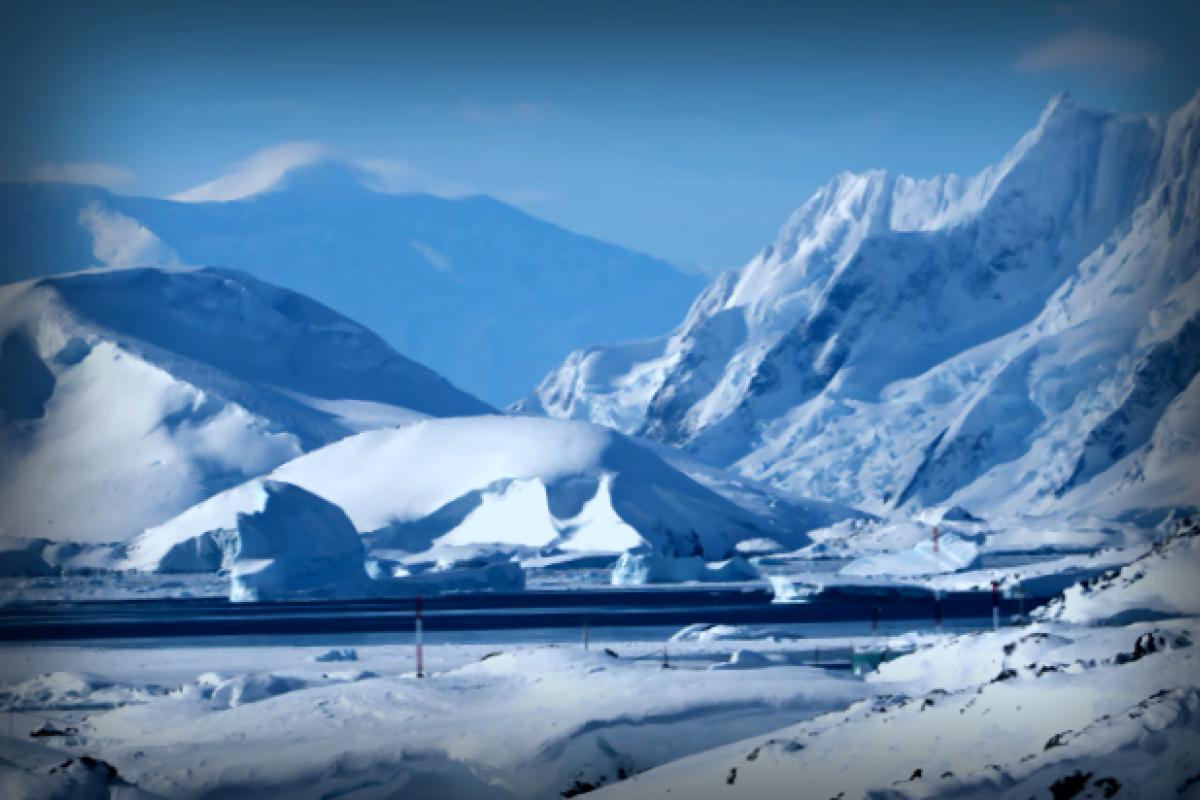
If you’ve been following the story of the little Mars rover Opportunity, which ended its mission with the heartbreaking final words “my battery is low and it’s getting dark,” you’ll appreciate this happier tale of a lost robotic friend. Unlike Opportunity, the Argo ocean float, launched by CSIRO (Commonwealth Scientific and Industrial Research Organisation) in Australia, might not have a catchy name, but it set off on an unexpected journey, drifting away from its starting point for more than two years.
Argo floats are amazing robotic devices without a fixed location—they move freely in the ocean, diving to depths of nearly two kilometers (around 1.2 miles) to gather crucial information on water temperature and salinity levels. Every ten days, they bob up to the surface to send this data back via satellite. They are critical in tracking global warming, as roughly 90% of the excess heat from climate change is stored in our oceans over the last five decades.
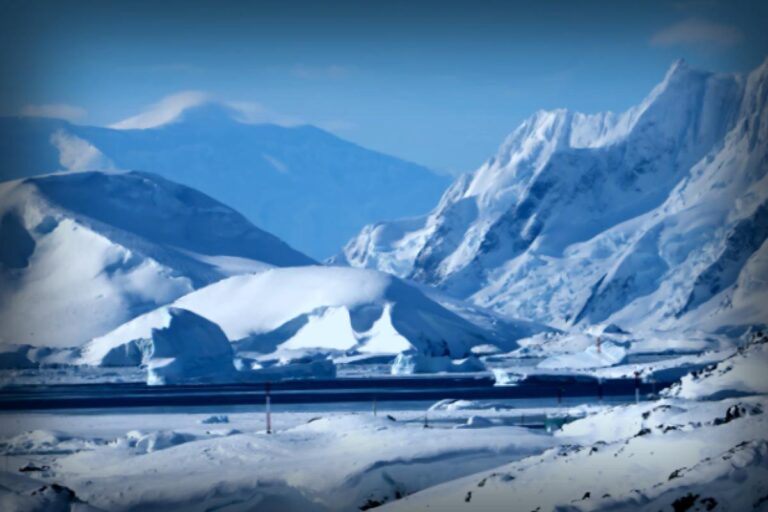
Initially intended to monitor the Totten Glacier area in eastern Antarctica, this float drifted off course and ended up spending an astonishing nine months beneath two unexplored ice shelves. When it surfaced at last, it brought back vital information regarding rising sea levels and a worrying vulnerability that might threaten humanity in the future.
A Quick Science Lesson About Ice
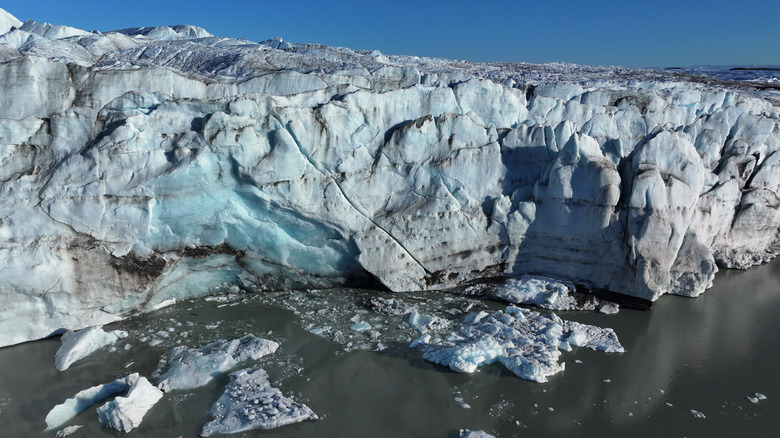
To grasp why this journey is significant, we need a quick crash course in science. A glacier is basically a giant lump of ice on land. An ice sheet is even bigger and can consist of multiple glaciers. An ice shelf is the part that stretches out over the ocean, while icebergs are large chunks that break off these formations.
As the world heats up, sea levels are consistently rising, which could potentially endanger millions. Scientists aren’t exactly certain how rainfall in Antarctica affects sea levels, but it’s crucial to collect data from beneath oceanic ice, as it’s not visible from above. The fate of the Antarctic ice sheets hinges on how much heat from surrounding waters affects the base of their ice shelves. These shelves act as fortresses, keeping glacial ice contained. Their failure could propel more ice into the ocean and contribute to rising sea levels. The thick nature of these shelves makes studying the area challenging.
The Argo float unintentionally gathered critical information that could assist scientists as they grapple with this issue. Originally set up near the Totten Glacier, it drifted along to the Denman Glacier, an area flagged as potentially unstable. It vanished for some time before resurfacing beneath both Denman and Shackleton ice shelves.
What Did The Argo Float Discover?
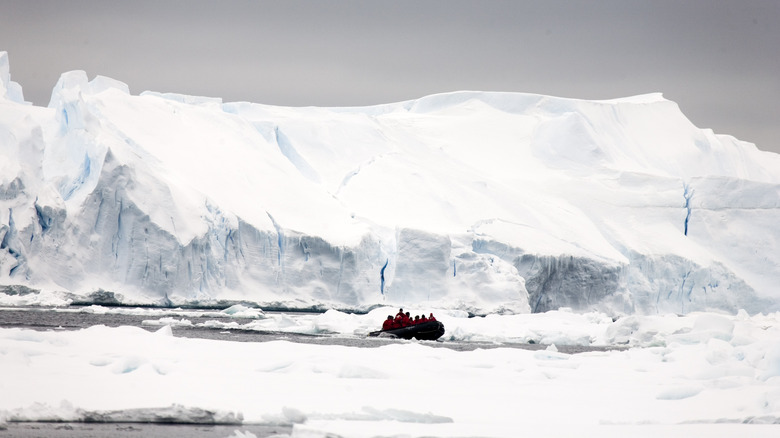
During its unexpected escapade under two massive ice shelves, the Argo float managed to collect crucial temperature and salinity records right from the seabed to the bottom of the shelf. This dataset represents groundbreaking findings from beneath an East Antarctic ice shelf.
Even though the float didn’t transmit its data in the expected manner, scientists utilized other methods to approximate measurements. Each time it bounced against the ice, scientists could figure out its depth, later cross-referencing that information with satellite data to piece together its probable movements. Good news arrived from the Shackleton ice shelf, which remains insulated from warmer waters for now, while the Denman ice shelf shows worrisome indications of warm water flowing under it, contributing to the glacier’s melting.
The Totten Glacier also faces risks, suggesting that truly comprehending East Antarctica’s melting ice is crucial for predicting sea level rises. Just like Opportunity gathered remarkable insights from Mars, the Argo float has gifted scientists with unprecedented understanding from a region mankind can’t ordinarily explore.