

Coping with Climate Challenges
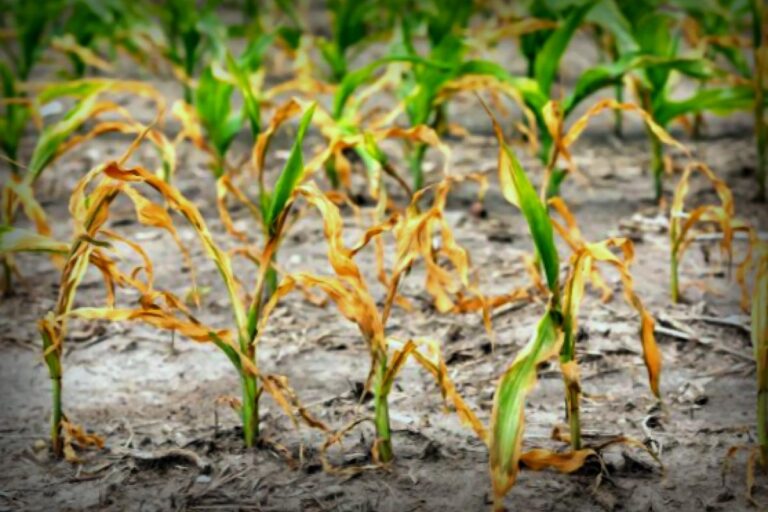
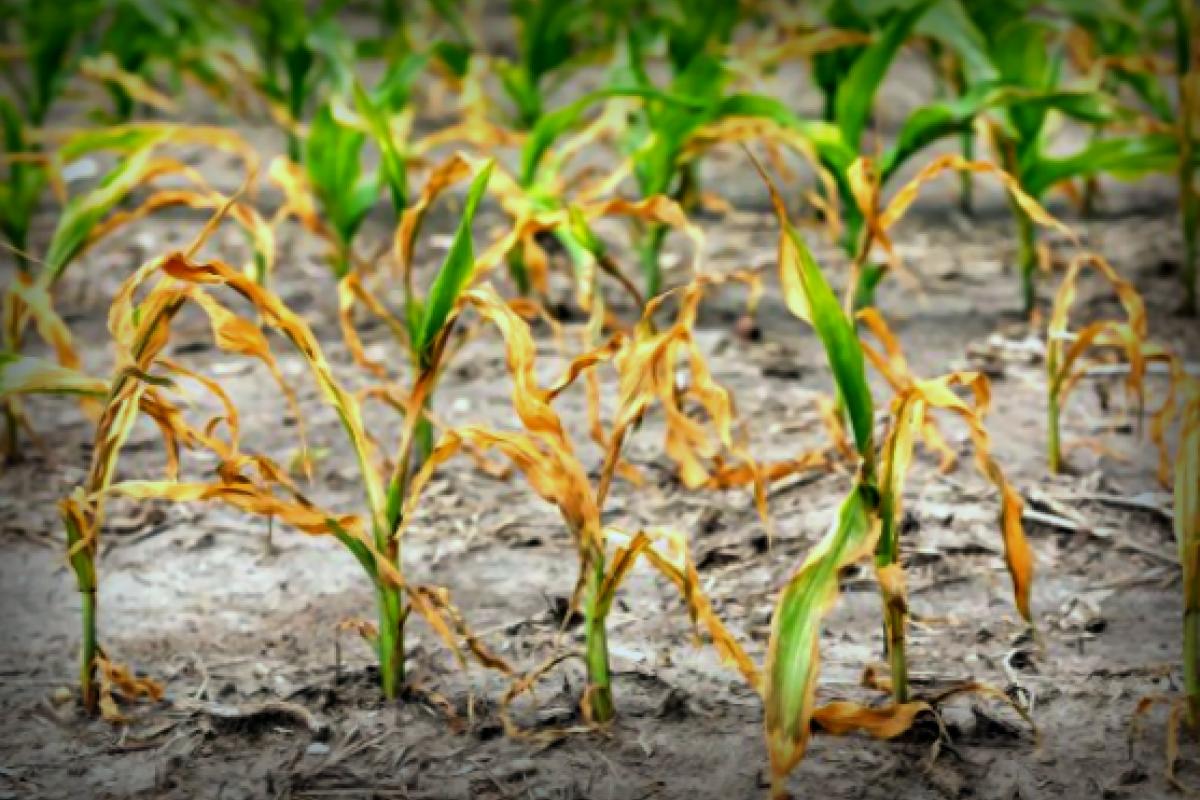
As climate change poses serious risks to our food systems, scientists are hard at work exploring cutting-edge genetic engineering techniques. The goal? Make crops tougher and more resilient to safeguard our food supply.
Engineering Solutions for Crops
According to AZo Cleantech, researchers are experimenting with various strategies that could revolutionize staple foods like tomatoes, potatoes, rice, and maize. Techniques like gene editing, multiplex single guide RNA, and biomimicking are pivotal in adapting crops to the increasing severity of conditions such as droughts.
For instance, ramping up the use of CRISPR and transgenic methods allows scientists to create varieties that not only withstand longer droughts but also improve yields by developing deeper root systems.
Digging Deeper: Root Development
One of the main focuses is the roots of the plants. By identifying specific genetic markers that control root growth, researchers have discovered that modifying the EXOCYST70A3 gene can lead to plants with stronger, deeper roots capable of reaching moisture in arid conditions. Not only does this help during droughts, but deeper roots also serve as effective carbon storage systems, bolstering not just crops’ resilience but also reducing greenhouse gases in the atmosphere.
Sugar Production and Crop Yields
Another innovative approach targets the metabolic processes in plants, specifically the pathways that affect sugar production. Studies show that increasing trehalose levels and activating certain signals can promote starch biosynthesis, ultimately leading to higher crop yields.
A Bright Future for Agriculture
By fostering robust root growth and boosting sugar production, these experiments are paving the way for hardier crops. This is especially crucial for regions prone to drought, where agricultural productivity faces challenges.
Additionally, scientists are looking at avenues such as transgenic wheat strains that enhance yields and combat drought, while innovations like modifying the OsDST gene in rice also show promise in improving drought tolerance.
Tackling Global Warming
These advanced crop techniques help combat rising temperatures by enhancing carbon storage, thereby making both the planet and agriculture healthier. With these genetic advancements, researchers are optimistic about reinforcing our agricultural strategies and addressing global warming.
Interestingly, while continued experimentation is essential, some solutions have already emerged, like a chemical spray that triggers sugar production effectively and economically—representing a tangible breakthrough for sustainable farming.
Though still unfolding, these promising research endeavors set the stage for a resilient agricultural future armed with innovations to face the challenges brought about by climate change.

Stay up to date with insights and tips to enhance everyday sustainability—join TCD’s Rewards Club.
Originally published in The Cool Down.