



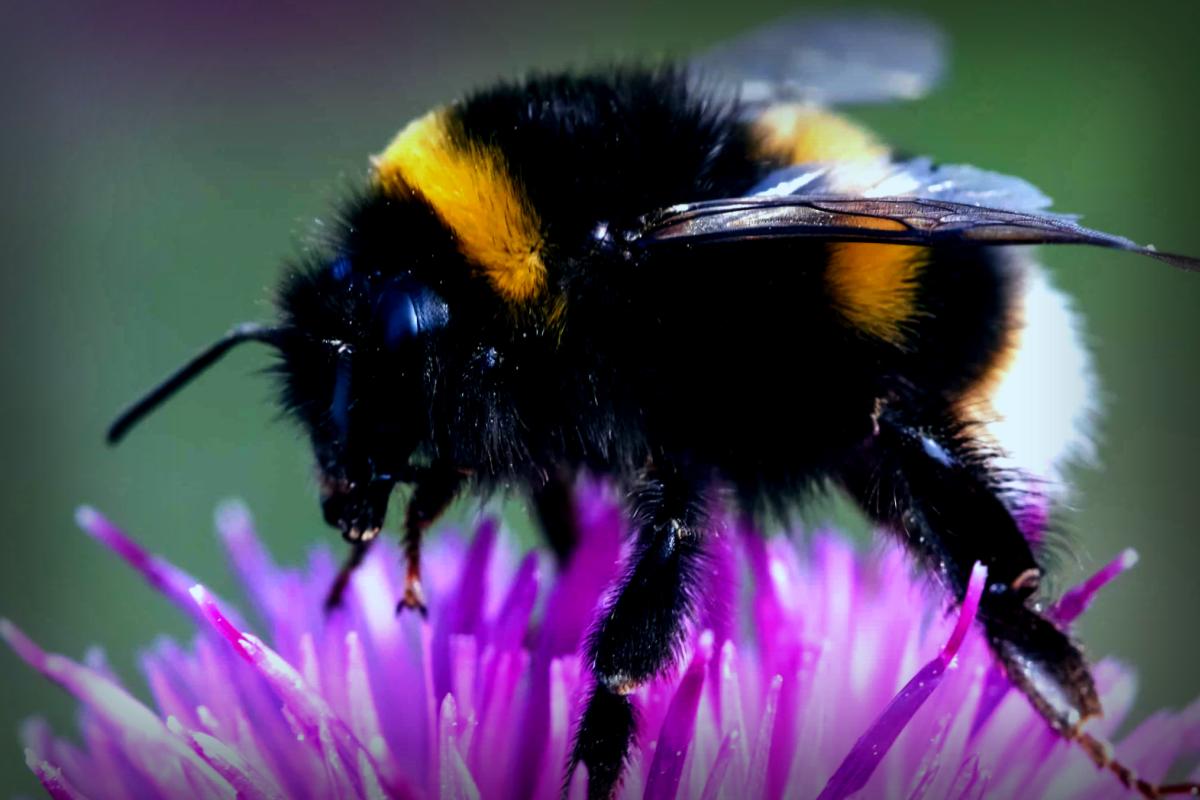
Think about it: bumblebees, those tiny buzzing buddies of ours, learning to understand a version of Morse code. It really sounds like something lifted right out of a sci-fi flick! But researchers have pulled off a pretty wild experiment showing exactly that. They trained bumblebees to recognize light signals based on Morse code and use them to track down food. What’s even cooler is this hints at surprising brain skills for creatures that definitely don’t have massive brains. This whole thing opens up questions about intelligence across the animal kingdom, including from mammals to busy little pollinators, making us wonder just how real smarts can be with smaller brains.
What Sparks Scientists’ Interest in Bumblebees?
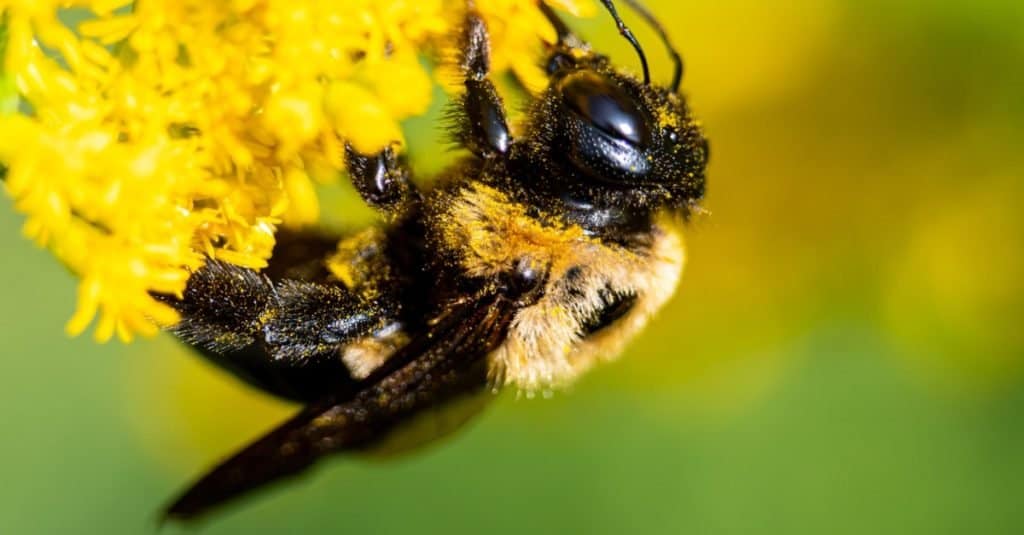
Why the fascination with bumblebees? Modern-day researchers are eager to unlock the secrets of how animals deal with information, and insects are a huge piece of that puzzle. What’s interesting is how bumblebees explore vast spaces, remember spots with flowers, and work together in busy colonies. Plus, they’re vital pollinators, meaning they help keep both wild plants and the food we love alive. Yet, their populations face tough times with habitat loss, nasty pesticides, diseases, and all that climate change chaos.
Diving into the Morse Code Experiment

At Queen Mary University of London, scientists were curious whether these bees could handle timing-related details—not just colors, shapes, or smells. Could they pick up on the idea that a longer flash was “good” and a shorter one was “bad?” To test this knowledge, they built a special arena just for this purpose. One by one, the bumblebees were placed into an arena where two yellow circles displayed light signals. One circle showed a fast blink of light, while the other had a much longer glow. They tried out different timing mixes, like comparing a one-second blink to another that lasted five seconds, or half a second to two and a half seconds. Beneath these flashing circles were tiny wells, one with sugar water and the other with quinine, which bees really don’t like. The bees had to figure out which flash meant sweet yumminess and which revealed something unpleasant. They had to stick through the rules to keep enjoying the treats!
From Sugar Learning to Remembering the Code
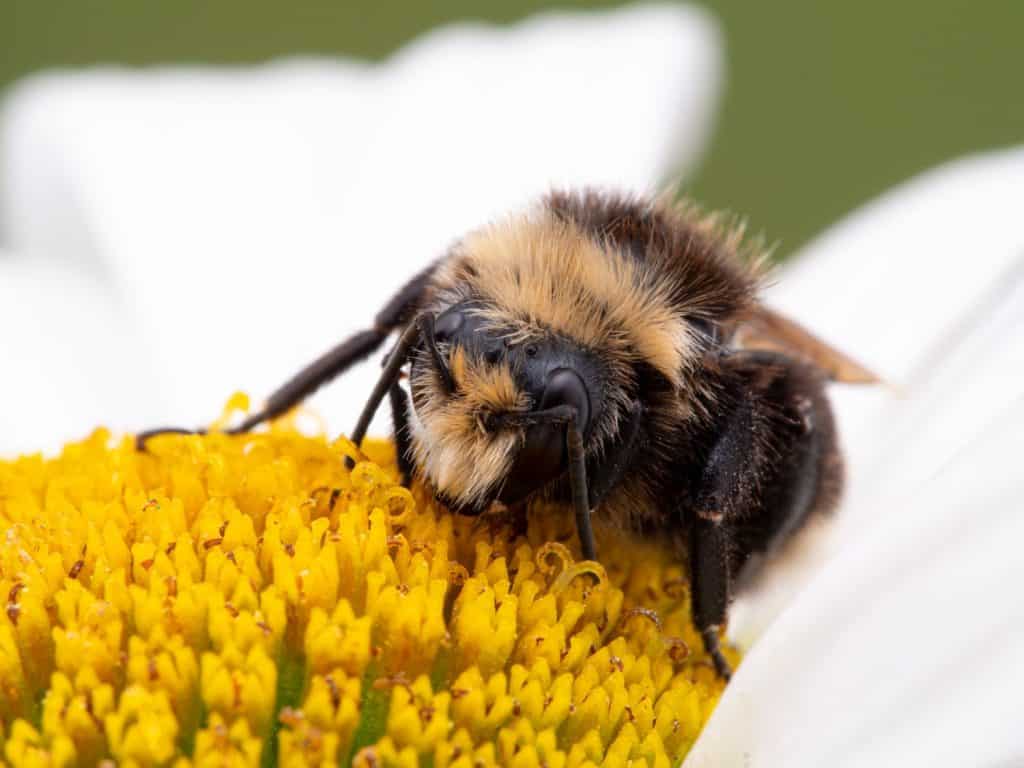
This wasn’t just by chance; each bee earned success by making solid choices. Any time a bee got the chosen signal right at least fifteen out of twenty times, it counted as a victory. After reaching that mark, the researchers switched things up. They took out all the sugar and left plain old water in the wells. Though the light signals remained constant, the sugary smell was gone, leaving the bees with nothing to guide their decisions. Yet even without rewards, the bees still went for the flash duration that had scored them treats before, proving real learning had taken place!
What This Tells Us About Bumblebee Intelligence
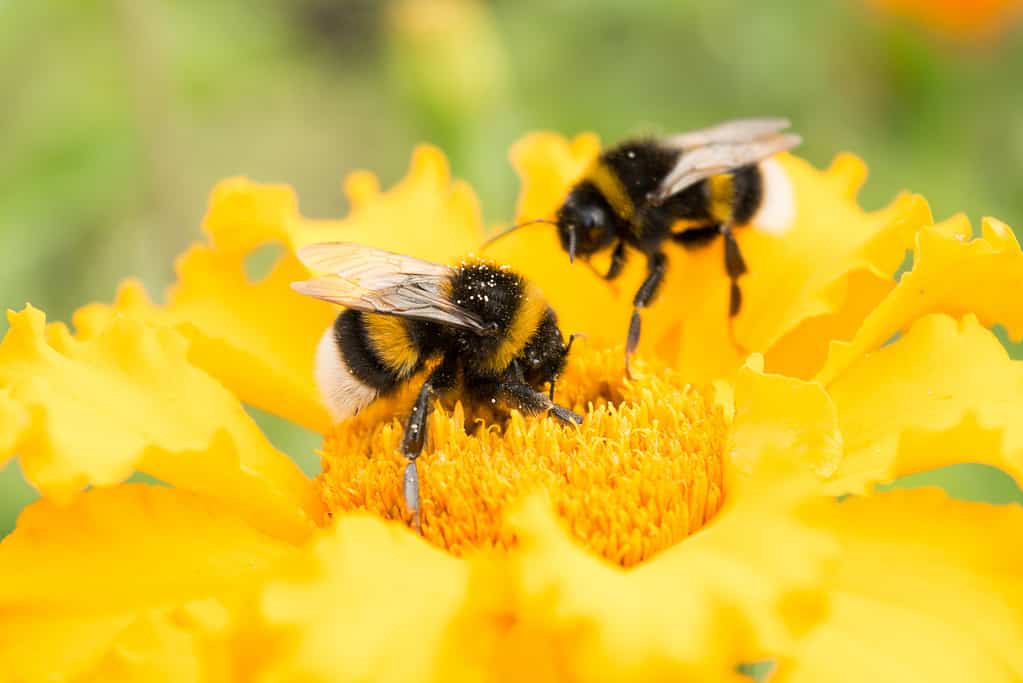
The outcomes of the study, shared in November 2025, left many onlookers in awe. Before this, finding complex time-based learning in an insect species seemed like a tall order, especially given that their brains are much smaller than those of birds or mammals. But these bumblebees tracked light signals like pros, connected the cues to what each meant, and showcased their capacity to recollect that information even when no reward was offered! This shows they can process timing, linking cues, and recall everything in an organized manner.
Scientists propose that this timing ability may run deeper in nervous systems than anyone anticipated. Possibly, it’s not just for brains that are larger; perhaps fundamental traits of neurons and connections are shared by all creatures, regardless of their size.
Why Timing Skills Matter for Bees in Nature
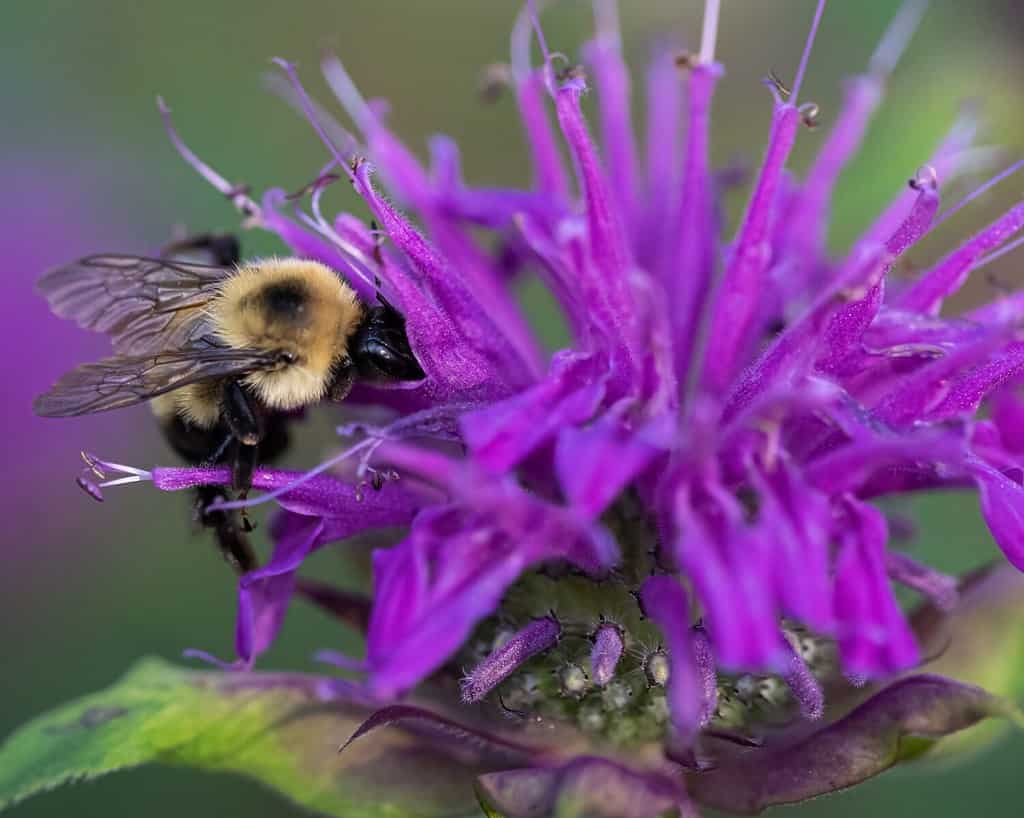
While bees don’t encounter light signals in their daily habits, timing is crucial in nature. Flowers have their set hours to bloom and close, predators visit during certain times, and weather shifts throughout the day. A bee that can link those signal timings with rewarding outcomes earns a definite survival advantage. It’s able to learn that certain flower patches yield great goodies in the morning while others might be better for visits later, or that a nice resting spot by a spider web is safer at night than during busy midday hours.
Timing could also play a role in navigation, helping bees line up their seconds with the distances they fly to feed. The study hints that these foundational abilities used during the experiments could be tied to their wild decisions as well.
Takeaways for Science and Tech
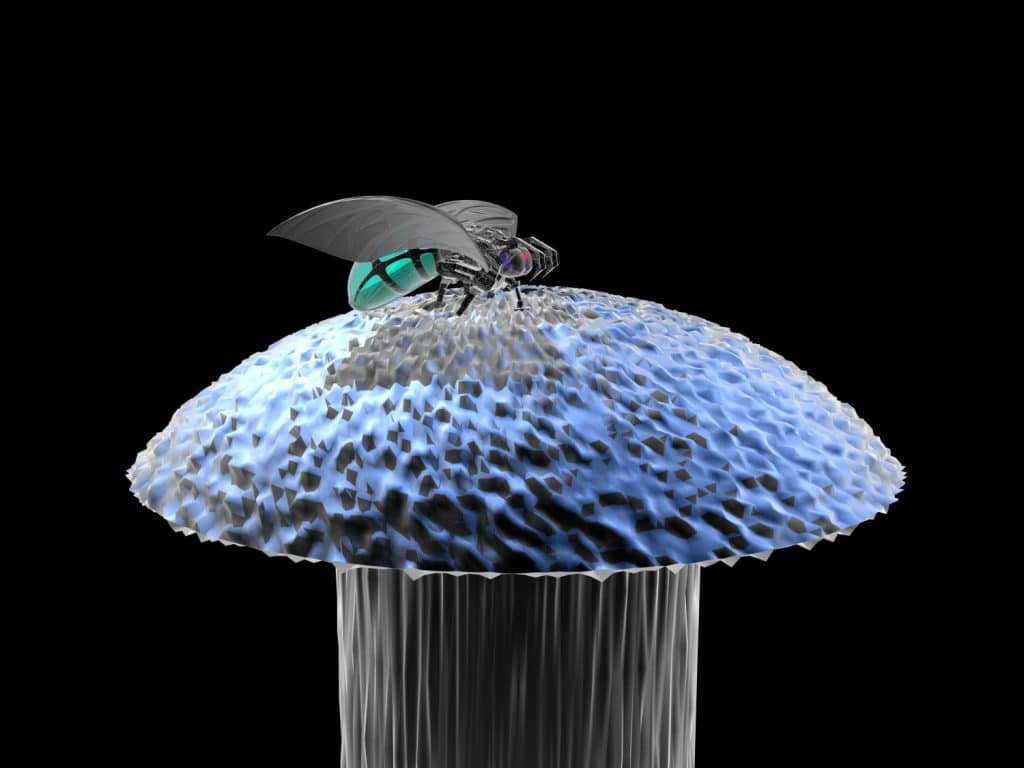
This research holds significance beyond usual bee conversations! For biologists, it broadens animal cognition studies by showing that compact brains can manage abstract time-based tasks, moving beyond just reaction to senses. This encourages a rethink on how intelligence is identified across various species.
For tech innovators in robotics and AI, this research is gold. Bumblebees make wise choices through energy-efficient nervous systems which could help guide more adaptable and economic algorithms. In this way, each trained bee serves as a miniature model for streamlined computing—a handy aspect if nanotech someday leads to the creation of tiny robots to aid in limitless a range of tasks without disruptive interference.
More Than Just Flashes: Communication in Bee Communities
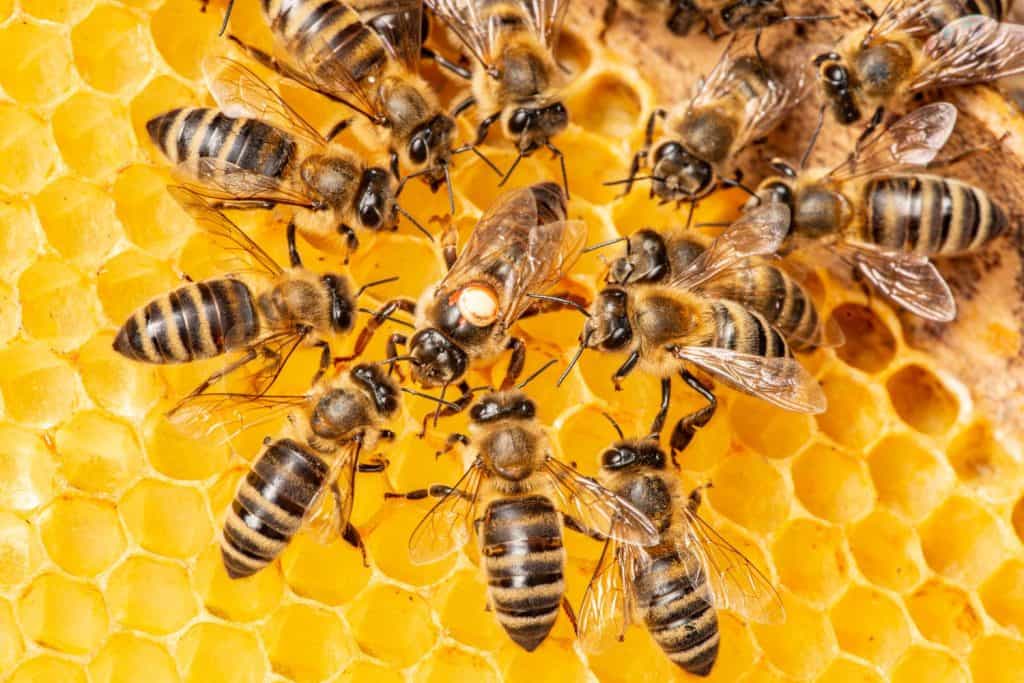
But keep in mind, bees aren’t just living life under lab glows. In nature, bumblebees share info through wiggle movements, vibrations, and chemical language amidst the hive. Their cousins, the honeybees, use chemical scents as codified signals for a variety of needs, like when danger is present or sometimes even when announcing the presence of a queen! They leverage quick buzzes, antenna touches, and gentle wing moves to communicate complex instructions or soothe the buzzing crowd in stressful scenarios when they perform their incredible “waggle dance.” This particular movement illustrates precisely how to direct nestmates toward food sources from far away.
Unlike that detailed dance, bumblebees generally prefer more engaging frenzied actions to draw the others’ attention and get them into open foraging tasks. This brand-new study shows their style of communication might allow for more flexible strategies than what seemed intuitive at first. The ability to pick up meanings from human-made light signals suggests the natural cues they use might also involve clever timing and memory skills.
Bumblebee Intelligence: A Big Deal in a Tiny Package
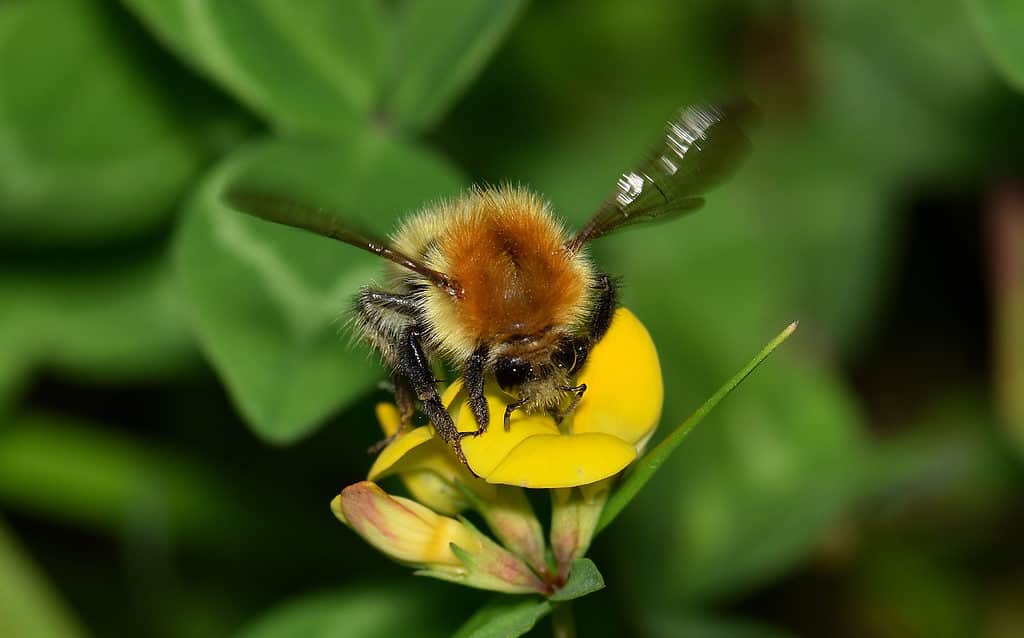
The humble bumblebee brain is mostly the size of a pinhead, but it cleverly handles directions, colors, various scents, and, as demonstrated, precise timing. These skills add to an intriguing collection of insights uncovering that intelligence varies widely. While bee smarts meet their airborne lifestyle needs, they still encapsulate elements like curiosity, resilience, and ingenuity. Foraging among different flowers, keeping track of changing seasons, evading danger, and working harmoniously with fellow bees—these are all tasks managed by that tiny powerhouse of a nervous system. The more that researchers explore how bumblebees pick up these lessons, the better insights we can uncover about the general patterns all brains mimic when problem-solving in a complex and ever-shifting world.
The post Stunning Find: Bumblebees Can Learn Morse Code! appeared first on A-Z Animals.