

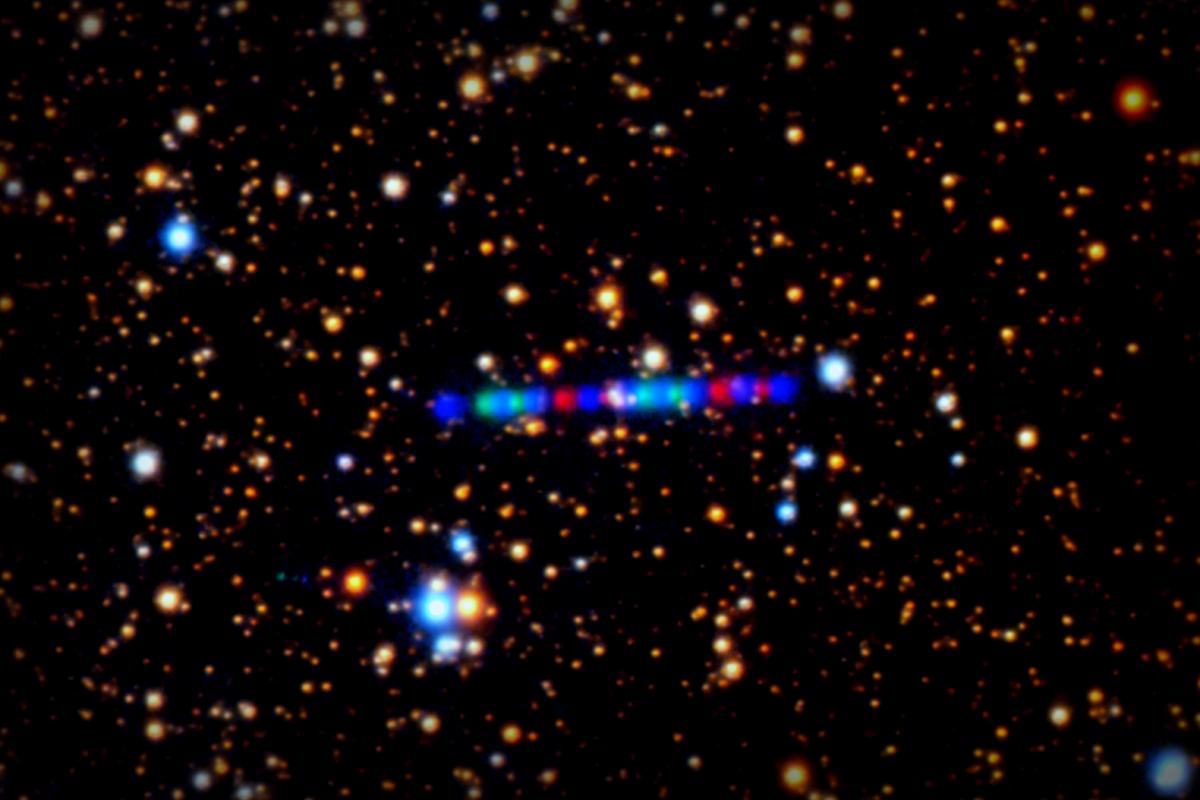
Have you ever thought about the possibility of humanity overlooking an incoming interstellar object? It sounds wild, right? But this concern becomes sharper with the fascinating comet 3I/ATLAS, recently discovered data about it that has astounded astronomers.
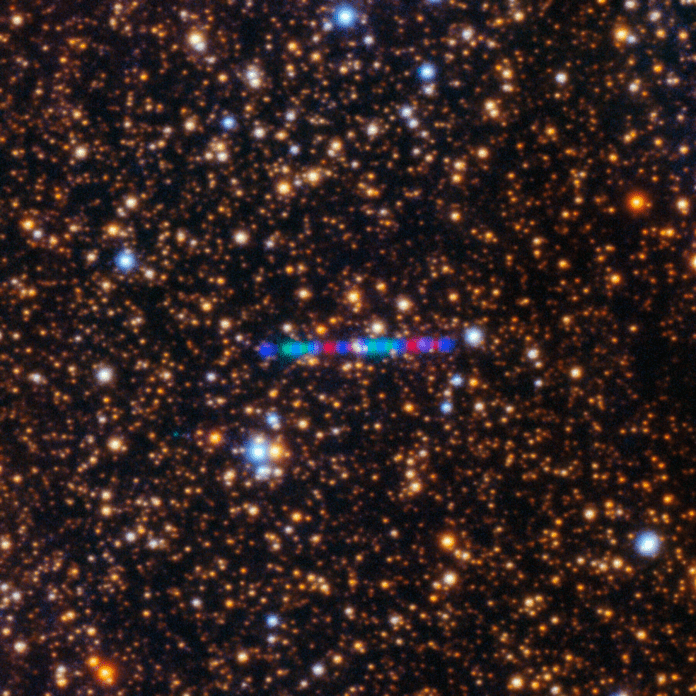
Mark your calendars for December 19, 2025! That’s when 3I/ATLAS will make its closest approach, zooming past us at an insane speed of 168 million miles! This comet is racing through space at 137,000 miles per hour, making it one of the fastest visitors we’ve observed. In the next few years, it’s on a path that will take it swinging by Jupiter, Saturn, Uranus, and Neptune before exiting our solar system by 2028. This ride should allow us to collect more data about its journey!
Interesting fact – the makeup of 3I/ATLAS diverges greatly from what we expect from regular comets. Using the fantastic James Webb Space Telescope’s NIRSpec instrument, scientists found an unusual amount of carbon dioxide in its composition. Additionally, they spotted water, carbon monoxide, and carbonyl sulfide. That 8:1 ratio of CO₂ to H₂O is the highest ever discovered for a comet, standing remarkably far off the charts!
Sculpted in alien ices, odd pieces of iron and nickel were also found in its outgassing. This could mean it comes from a protoplanetary disk around a red dwarf star residing past the carbon dioxide snow line, where both water and CO₂ freeze into solid forms. Wild, isn’t it?
NASA really took things up a notch by bringing together a plethora of spacecraft and telescopes to scrutinize this celestial wonder. The Mars Reconnaissance Orbiter snapped detailed photos from 18.6 million miles away, MAVEN caught ultraviolet emissions of hydrogen above the comet’s coma, and even the Perseverance rover on Mars caught sight of it! Meanwhile, Hubble provided size estimates, determining that the comet’s nucleus is no bigger than 3.5 miles. Other missions, including Lucy, Psyche, and PUNCH, monitored its coma and tail from hundreds of millions of miles away.
Now let’s talk about the name 3I/ATLAS. The ‘ATLAS’ is short for the Asteroid Terrestrial-impact Last Alert System, which comprises a bunch of telescopes aimed at spotting risky space objects before they hit us. Found by Chile’s ATLAS telescope on July 1, 2025, its discovery emphasizes the urgency of finding incoming threats, while shedding light on the growing challenges in monitoring our skies.
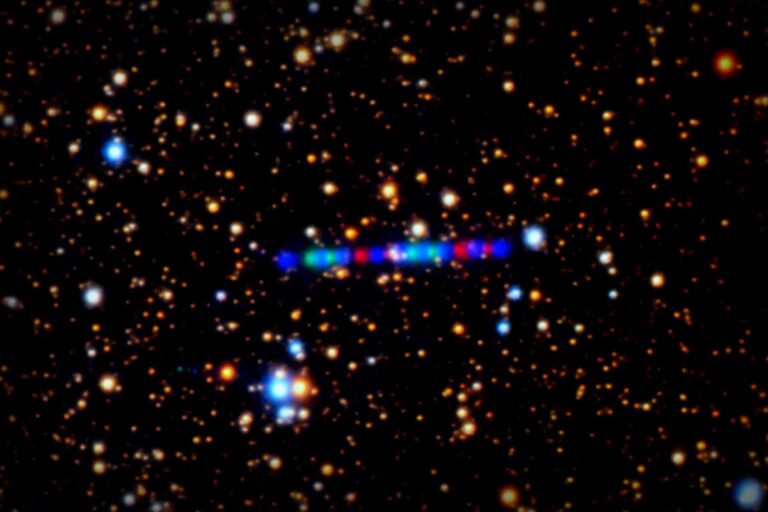
The increasing fleets of satellites in space are tough artists for ground-based telescopes. Around 15,000 satellites are orbiting right now, and it’s expected that by the early 2030s there might be over 500,000! Just imagine the light trails they’ll cast; these can easily mess up astronomical pictures, especially from new wide-field telescopes. The Vera C. Rubin Observatory estimates that with just about 26,000 satellites onboard, as much as 20% of nighttime images could show trails, with a staggering 30-80% of twilight images affected!
Not even space-based telescopes are shielded from this mess. Studies say if a proposed 560,000 satellites hit orbit, missions like SPHEREx or Xuntian may have their images contaminated in more than 96% of cases! Even trusty old Hubble faces a potential third of its images being altered. The brightness of those streaks alone can be tough to filter out!
What can we do about this satellite hubbub? Strategies could involve limiting how much satellites shine, keeping new ships lower, as well as maintaining fine-tuned tracking data to dodge unwanted trails. However, this requires everyone from various sectors to team up, plus understanding regulations should step in place. A failure in this coordination boosts the risk of us missing a small yet swift interstellar object, especially if it’s on a crash course with Earth!
So as 3I/ATLAS continues its journey into the beyond, it drops off both a wealth of lessons for us to learn and a chilly warning. Its exotic twist in planetary system chemistry ushers in new horizons, but its quick visitation serves as a reminder that to catch the next interstellar traveler—whether it’s out for a friendly hello or a less pleasant approach—we need to keep all our observation gates wide open, even as space gets crowded.