


CTOs from various top-rated companies share their tips on how to foster responsible AI usage at work.
The excitement around AI in the business sector is hard to overstated—companies are hurrying to adopt it. However, new technology brings its own set of challenges.
According to Yehonatan Bitton, co-founder and CTO of Copyleaks, a tool for identifying AI-written content and plagiarism, “AI isn’t a magical solution. It must be used underropenneasures.”
As we mark three years since the public launch of ChatGPT, experts believe it will reshape our work landscape, increasing productivity but also displacing some jobs while generating new opportunities. This is already visible in Nvidia’s soaring market cap of $4 trillion and the swift growth of innovative startups like Lovable and Replit.
For those companies just dipping their toes into AI, cautions must be heeded. Thankfully, chief technology officers can provide sound advice. We talked to three Best in Business CTOs from Blackbird.AI, Copyleaks, and DataDome for insights on effectively integrating AI into their operations—and recognizing when it’s best to hold back.
Focus on Problems First, Not Tools
While AI can be a fantastic asset, it isn’t a hassle-free fix. Naushad UzZaman, CTO of Blackbird.AI, warns that mishandling it can lead to more problems than solutions. His company provides AI-driven tools that help organizations mitigate threats from misinformation that might hurt their reputation and finances.
“True versatility comes not from using AI everywhere but from knowing where it really adds value,” he remarks.
It’s easy to get caught up in the hype of shiny new technologies, but UzZaman stresses the importance of identifying genuine needs before deploying them. Similar to launching a startup, it’s crucial to pinpoint an actual problem and seek out the right AI solution.
Start with Existing Processes—Then Optimize
Automation is a straightforward entry into the world of AI, especially now with user-friendly low-code or no-code platforms and vibe coding, which turns natural language prompts into code.
“Everyone can automate these days,” states Gilles Walbrou, CTO of DataDome, which uses AI for enhanced cybersecurity against fraud like scraping and DDoS attacks.
According to Walbrou, the best candidates for automation are repetitive tasks that teams handle daily. Automation frees up energy for employees to concentrate on delivering quality results within their roles, particularly among engineers.
But it’s not a one-size-fits-all answer. Walbrou advises companies to foster a performance-oriented culture based on tangible metrics, high-quality data, agility, and adaptability first.
Understand the Limitations of Technology
Walbrou mentions vibe coding as a potentially game-changing tool, especially for researchers minimizing reliance on developers during test phases and reducing timelines. However, he stresses that features should not be solely constructed using vibe coding.
UzZaman reinforces this sentiment, calling vibe-coded applications “very risky.”
“Vibe coding is great for prototype phases, but real development should be handled by skilled coders afterwards,” he emphasizes.
Create a Buzz Around AI
While not everyone in a workplace might be enthusiastic about AI, there’s usually at least one person who can jump-start interest. Walbrou encourages organizations to find those enthusiasts and transform them into internal advocates for AI.
“Identify internal champions—people who are eager about technology can help generate excitement within the team,” he suggests. “Then, you’ll have a positive ripple effect.”
At DataDome, they identified advocates before launching a 24-hour hackathon focused on fostering enthusiasm around AI initiatives.
“Within one day, we transitioned from having just champions promoting technology to an entire tech team fully engaged in these innovations,” he shares.
Bitton from Copyleaks agrees, highlighting the passion of these pivotal employees can influence others significantly. He recommends grouping individuals into small teams, each led by an ambassador responsible for sharing knowledge on products or updates.
Acknowledge That Your Team May Already Be Utilizing AI
Your employees might already be engaging with AI without your knowledge—it’s essential to align your policies with this reality.
“AI use is happening whether you’re aware or not,” UzZaman asserts. “So make sure to embrace it and provide appropriate direction.”
The specific measures depend on individual companies and their risk profiles. At the very least, he suggests setting clear policies regarding secure and appropriate use of specific AI tools that align with data usage, storage, and handling practices of their corresponding developers. For firms with heightened security concerns like Blackbird.AI, UzZaman encourages hosting models locally on their servers or exclusively utilizing U.S.-originated models.
Bitton advises leaders to be proactive in assessing the security of new AI products. Basic queries to pose include what the provider does with sensitive data and its management policies.
“You must be diligent with every choice you make regarding AI tools—or any tools, really,” he reminds. “Each business has different terms. If more details are needed, liaise with the right departments and if necessary review main points from relevant contracts.”
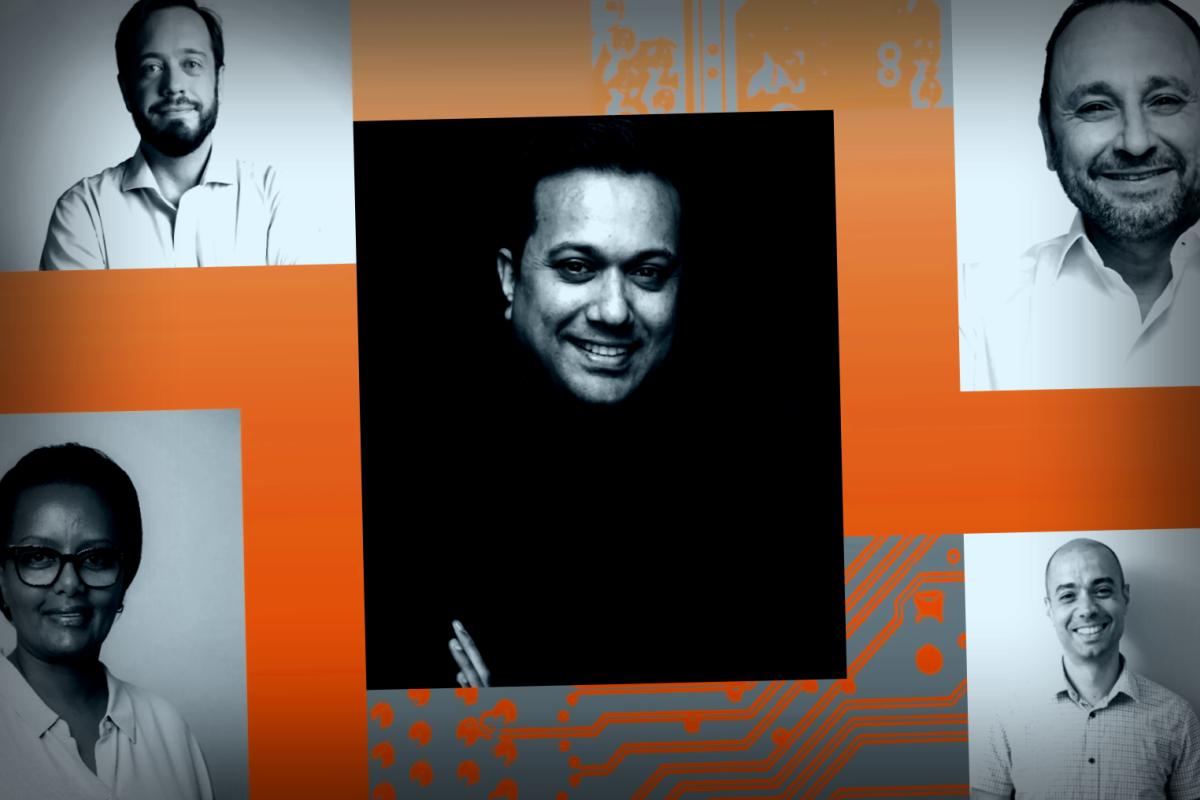
Bitton, UzZaman, and Walbrou achieved recognition from Inc. as the Top Entrepreneurial CTOs of 2025.
This article originally published on inc.com.
Subscribe to the Inc. newsletter for more insights: inc.com/newsletters