


A couple of years ago, a CTO from a prominent FTSE 100 firm expressed his concerns about artificial intelligence.
He mentioned that while their company had been knee-deep in machine learning investments for quite some time, they were uncertain about the feasibility of large language models (LLMs), the latest trend making waves.
“We’ll see how effective they are for customer service bots,” he shrugged, hinting that it could be just another passing fad.
His genuine concerns reflected a significant dilemma: if their company were to publicly critique generative AI, it could risk causing their stock price to plummet.
In a market gripped by an irrational exuberance for generative AI’s potential, refraining from its adoption might mean falling behind competitors who were quick to embrace the trend. Therefore, staying hesitant meant risking severe consequences.
Eventually, we witnessed a series of declarations from various companies announcing their commitment to AI productivity initiatives, and surprisingly enough, share prices held steady.
This tendency wasn’t unique; historic giants like Apple and Google had earlier evaluated LLMs long before ChatGPT made its debut for public users in late 2022.
Both firms saw little to no enhancement in user experience or indicated too much potential collateral damage. Yet soon after, any reservations disappeared. Admitting the shortcomings of AI was more dangerous than staying quiet.
A staggering amount of capital has now been invested in generative AI, only to reiterate what many tech leaders had foreseen.
LLMs boast some useful features, but claiming they can meet the lofty expectations placed on them is simply misplaced. Too often, they falter at essential tasks.
In fact, the 2025 MIT report on AI in Business found that a striking 95% of business-wide implementations yielded no return on investment.
Those flashy models many expected to revolutionize every aspect of business aren’t even able to master the basics.
Take Microsoft, for example. They’ve shoved AI into all products—even in Windows Notepad—yet the company has recently reduced internal sales forecasts due to lackluster customer engagement.
We’ve now arrived at a critical junction for the global economy. So, how did we end up here?
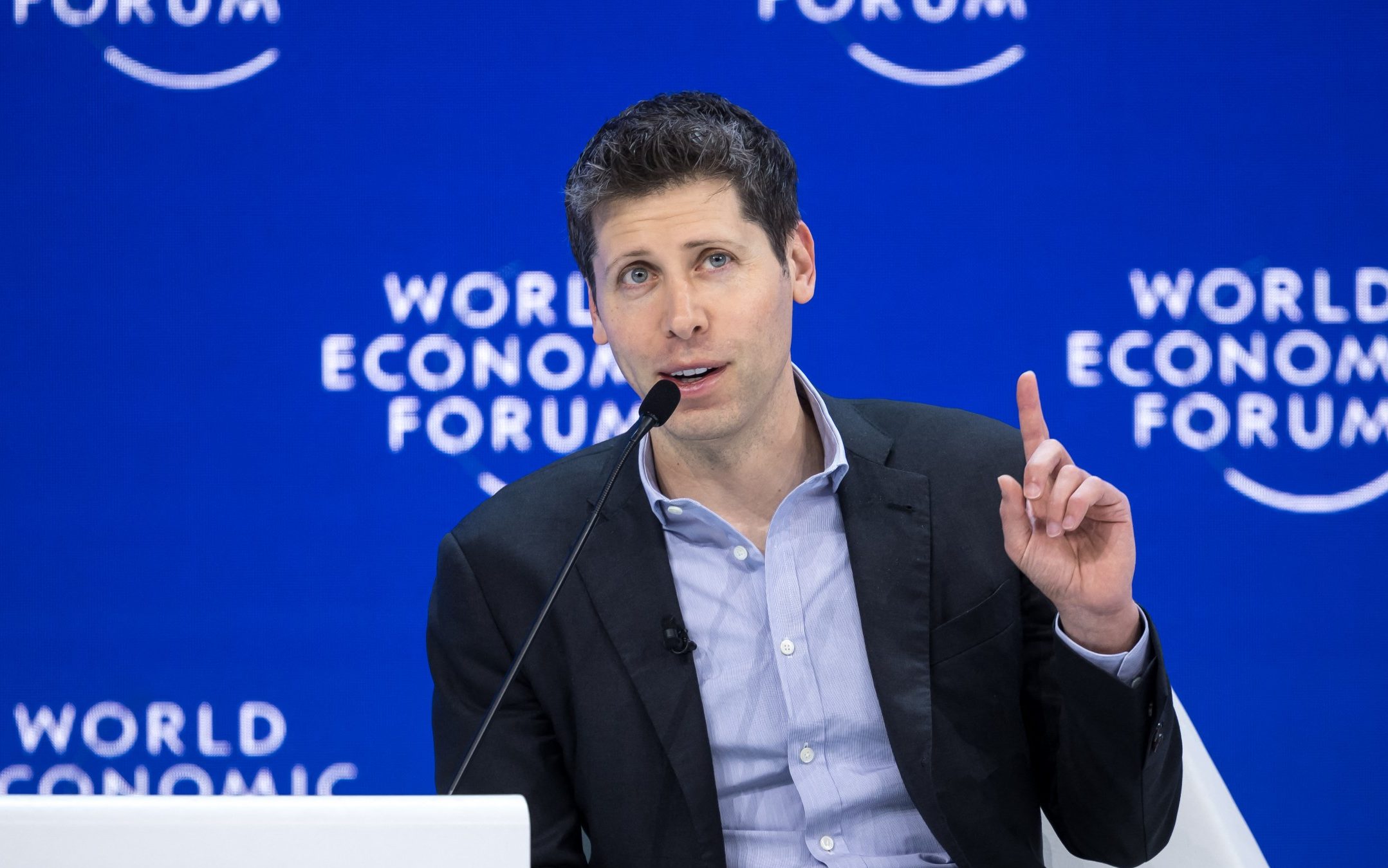
The reality is that the push for new tech began on a corporate level first. Promises of groundbreaking changes spread from elite gatherings at Jackson Hole, Davos, and other high-profile economic forums attended by venture capitalists—clearly devoid of conflicts of interest.
AI was quickly branded as the leading edge of technology trends and trickled down from executives to the management echelons, eventually resulting in widespread implementation orders for generative AI.
And while some experts remain optimistic, arguing criticism of a potential bubble is misguided, many beg to differ.
Wolfgang Munchau, the news service head of Eurointelligence, stated, “This is the first digital technology to drive a productivity surge.” He believes soon we will see humanoid robots servicing automated machinery.
Despite doubts, the belief in AI remains robust. There’s always that promise of a brighter future.
An oblivious, trend-obsessed administration has been the punchline for Scott Adams’ *Dilbert* strips for years.
In one comic from 2018, the pointy-haired boss tasks Wally with heading an AI project. Wally wonders: “Why?” The boss replies, “I just love saying we’re into AI.”
In another scenario, Dilbert is asked what color the AI should be. The response? “I think mauve looks the smartest.”
This negligence by executives mainly empowers firms looking to capitalize on trends, as cybersecurity expert Peter Girus recently pointed out on social media.
Girus articulated the common mindset among fictional tech leads, emphasizing that it doesn’t matter if common employees see value in AI—the shining word from the boardroom is all that counts. As long as their message is filled with industry-specific buzzwords like “completion,” “metrics,” and “dashboards,” optimism reigns even in false terrains.
“I know what AI is for,” muses Girus’ invented CTO. “It’s to showcase our ‘investment in AI.’”
Is Girus being too cynical? Maybe a tad, but he voices a reality many organizations plunge into blindly in response to ever-changing trends.
It’s often said that tech roles bear resemblance to religion in this secular time, wherein both hinge on faith.
Some proponents of AI openly aspire to develop a sort of software deity.
Yet perhaps a more fitting comparison can be sparked from historical events of collective fervor, like the medieval dancing plagues.
Entire communities would lose themselves to jubilation, pushing their energy to near-extinction—and in tragic cases, even death.
Bystanders were explicitly pressured to join in the frenzy.
The corporate world is presently experiencing a similar dynamic with AI—a wave of social contagion that condemns anyone hesitant to jump on the bandwagon as a Luddite. It’s a debilitating external pressure to join in and celebrate, regardless of the fallout.
Currently, we observe the slowly unraveling bubble, signaling disastrous outcomes for the global economy ahead.
Perhaps the harsh truth is that we’re not as astute as we think; our susceptibility to flashy breakthroughs and con artists hasn’t changed over centuries.
Subscribe to receive our Front Page newsletter for free: Your insider look at the daily agenda, straight to your inbox seven days a week.