

Tesla Integrates Starlink: A Major Leap in Connectivity
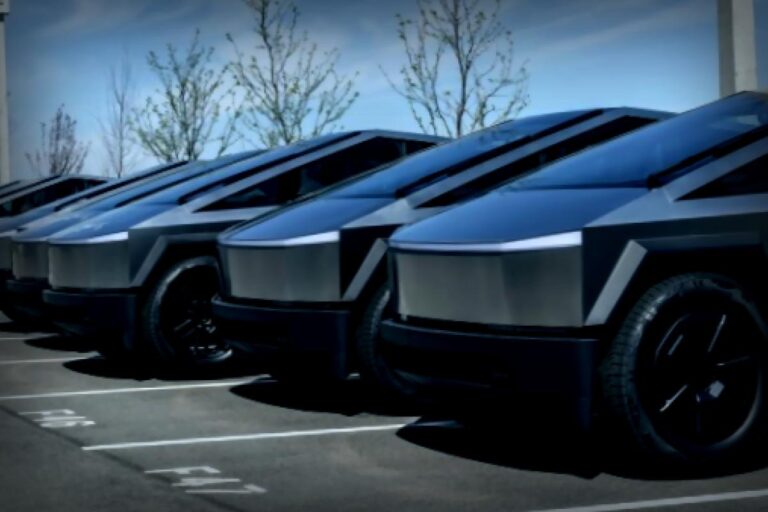
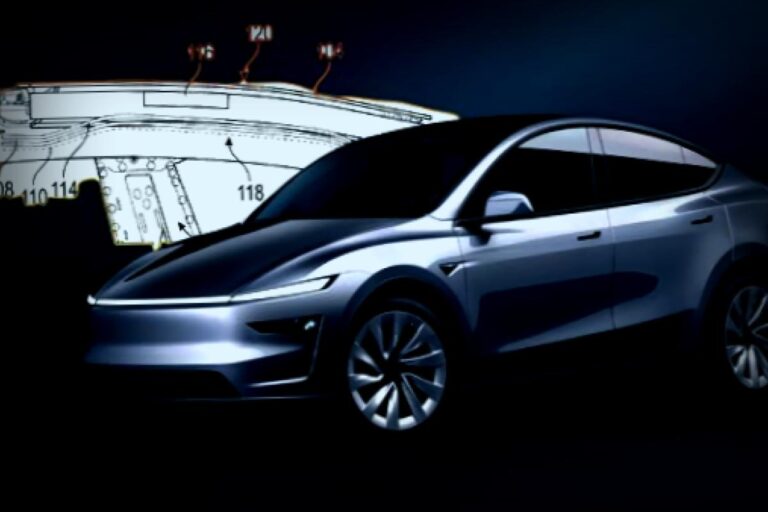
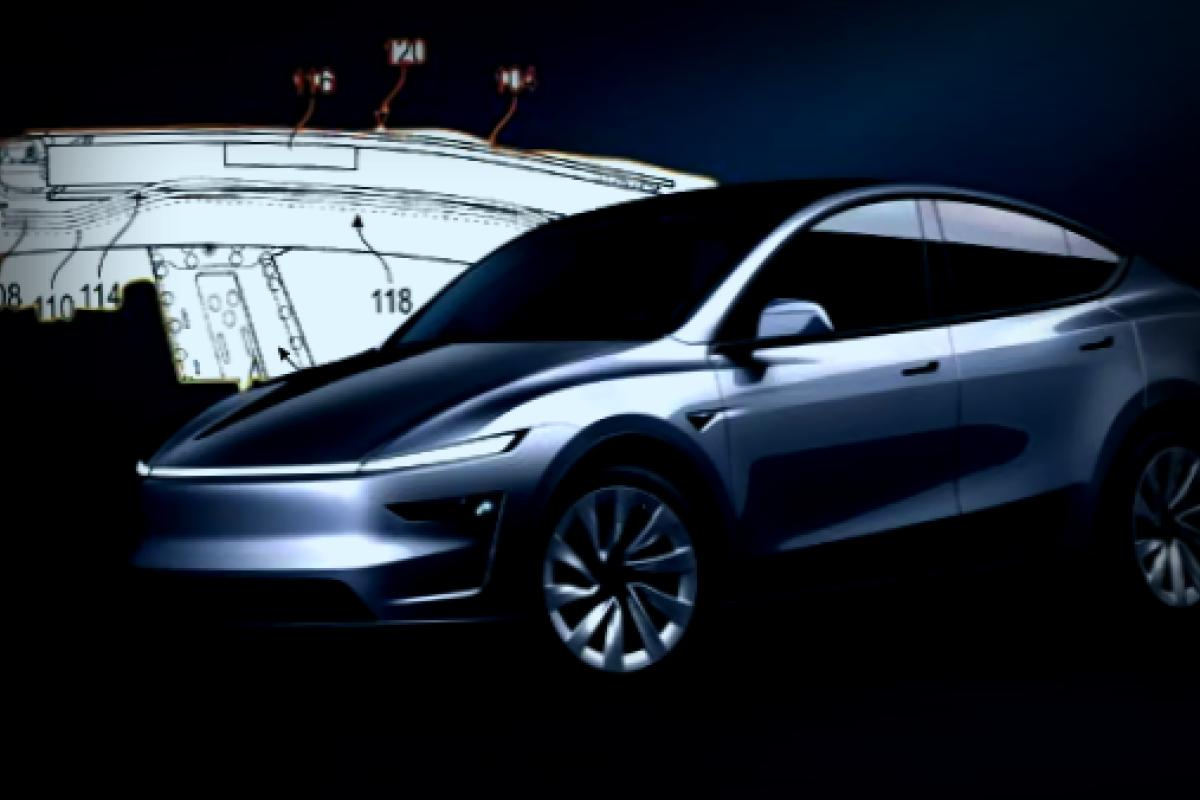
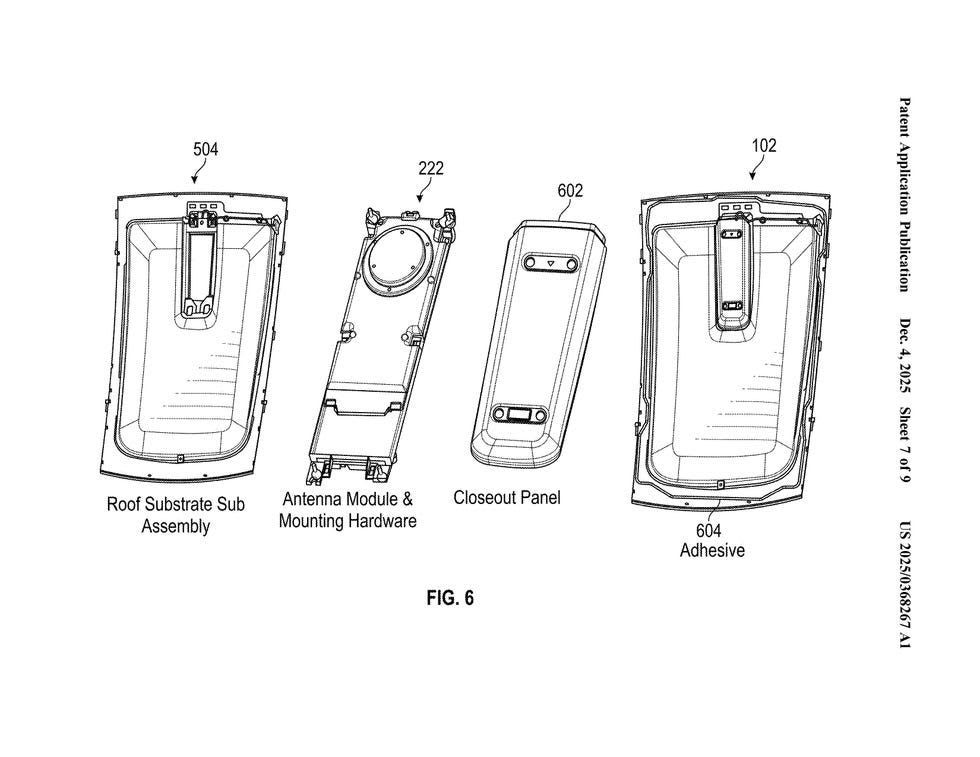
Tesla is making waves in the world of vehicle connectivity! The company recently filed a game-changing patent (U.S. Patent 2025/0368267 A1) aimed at embedding Starlink Satellite Antennas right into the roofs of their cars. Published in December 2025, this patent presents a revolutionary Vehicle Roof Assembly designed with RF Transparency, innovating beyond the standard automotive materials that usually bog things down.
Traditionally, materials like glass and steel have blocked satellite signals, which means owners had to deal with awkward external Starlink Mini dishes during outdoor expeditions. Not anymore! Tesla’s inventive design suggests a multi-layer roof that incorporates robust RF-transparent polymer blends like Polycarbonate, ABS, and ASA. Talk about bringing connectivity closer!
The Blend of Innovation and Safety Standards
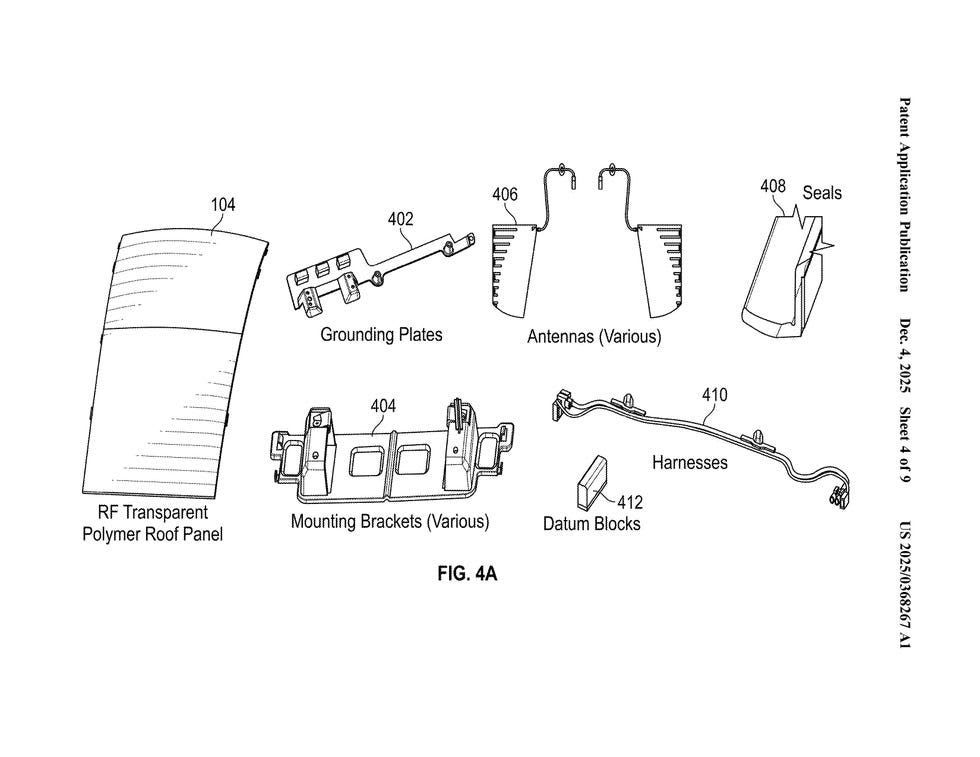
Shifting to these new polymer materials presents challenges, especially when maintaining the strength and safety of the roof. Luckily, Tesla’s patent highlights a unique Four-Layer Construction that keeps the integrity of traditional roofs while tackling Noise, Vibration, and Harshness (NVH) issues. This clever design effectively serves as a shield, helping to keep passengers safe during accidents. Tesla reassures that their construction adheres to Federal Motor Vehicle Safety Standards (FMVSS), focusing particularly on improving head-impact safety regulations. With layers of foam strategically placed between the exterior polymer and the headliner, they’ll provide top-notch thermal and acoustic insulation while ensuring satellite communication signals remain strong.
What This Means for Drivers and Autonomous Vehicles
If this tech makes it to production, we could kiss Cellular Dead Zones goodbye! High-speed internet would finally be available in tucked-away rural zones, barren deserts, and even in the mountains—places where LTE and 5G coverage hardly reach. For everyday Tesla drivers, this means smooth navigation, non-stop music streaming, and reliable Over-the-Air (OTA)software updates, no matter where they find themselves. Beyond convenience, there’s an added layer of safety—imagine your car being able to send distress signals and accurate GPS locations to emergency services, even in the heart of nowhere. Plus, this level of connectivity plays a crucial role in supporting Tesla’s ambitious plans for their Robotaxi fleet, making it easier to keep an eye on drivers in regions that lack standard cell networks.