

Picture a diner that’s open non-stop, with staff on standby for those rare busy moments—the lunch rush or weekend festivities. Most of the time, though, it’s pretty empty but the owner keeps paying wages and rent. Sounds inefficient, right? Well, that’s sort of the case with the electricity grid in the U.S.
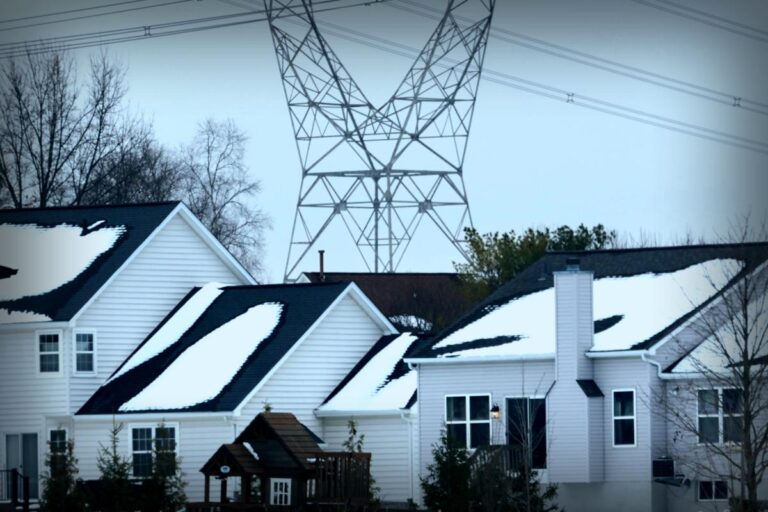
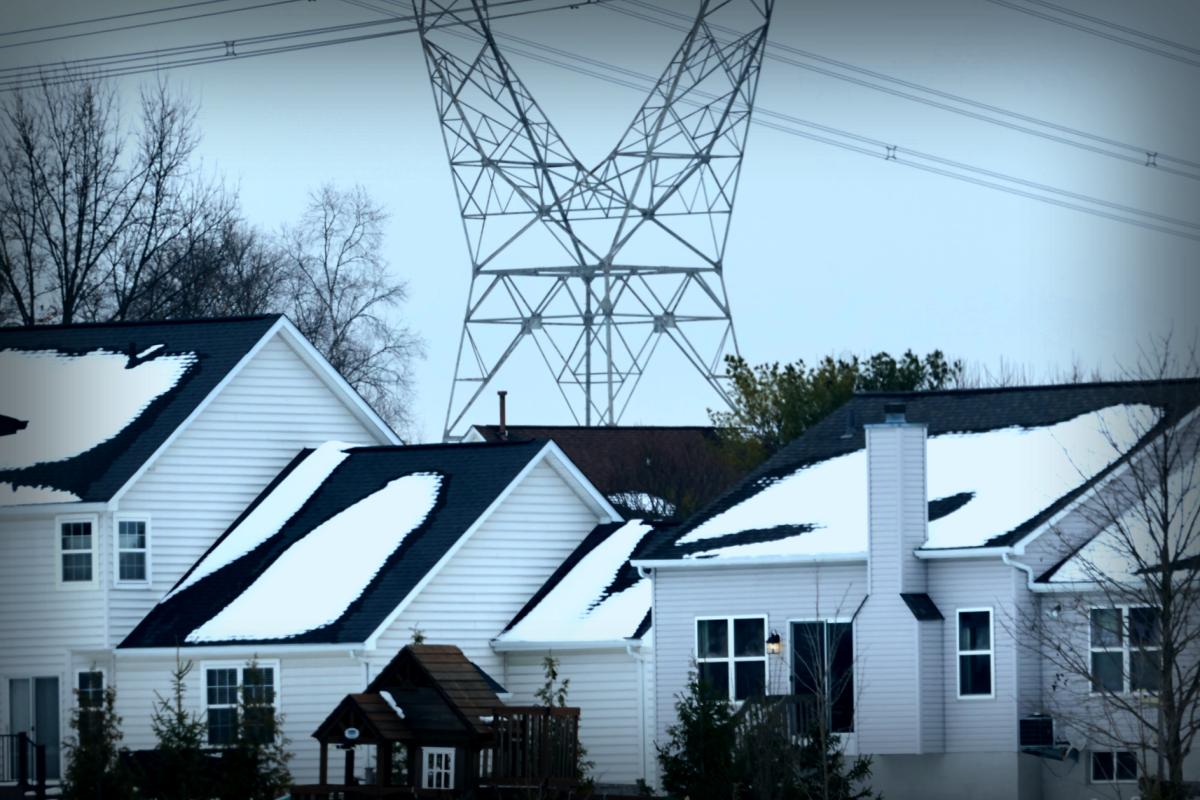
This grid is set up to handle those peak times— like scorching summer days or bone-chilling winter nights—when everyone is cranking their AC or heater. It’s about keeping the lights on, literally, since blackouts can be serious, even life-threatening!
Here’s the kicker: our electricity grid typically operates at only about 50% capacity. So, we’re stuck paying higher electricity bills, mostly due to the hefty costs of actually building out that infrastructure.
Now, some experts believe we have a golden opportunity here. In just five years, peak electricity use could spike by almost 24%. And with a louder outcry for more power, especially from AI-driven data hubs, it feels like we should be thinking outside the box. Imagine taking advantage of that leftover electricity and sending it to places that need it—like data centers!
“There are hours and times of the year when the grid is sitting on a ton of spare capacity,” explains Ryan Hledik from the Brattle Group. “If we could bring in new customers or boost energy use during those lulls, the costs could be spread out, lightening the load on everyone’s bills.”
The actual usage of the grid varies a lot. Factors include local weather and how much energy is generated by sources like wind and solar. But in general, researchers say usage can vary between 30% in rural spots and approach 70% in busier cities.
<p“Peak loads are our focus,” adds Larry Bekkedahl from Portland General Electric, a company serving around 2 million customers in Northern Oregon and beyond. “And that peak only happens a handful of days each summer or winter.”

This low usage isn’t by mistake. Utility companies build their setups ready to withstand extreme weather shifts, even when power sources might falter—hey, remember that Texas freeze?
This has made the management approach quite conservative. “Utilities are often hesitant to put the system in jeopardy,” Oliver Kerr from Aurora Energy Research adds.
It’s not all bad though—much like highways, which get heavy traffic only during rush hour, infrastructure can be underutilized for good reason.
The flip side? When utilities invest in more wires, power poles, and plants, they cash in on profits from that build-out. But they don’t profit from merely keeping these operations running. “In the apple business, you make money by planting trees, not by harvesting apples,” says Amit Narayan from GridCARE.
Some experts think this drives more overhead in the electricity grid—leading to even higher prices, unfortunately.
But there’s talk within certain sectors about a potentially smart fix: onboard new customers without churning them through regular peak times. Picture a data center that can switch off during the hottest days of summer but still consume power when there’s excessive capacity, preventing the need for extra generation infrastructure.
A study from Duke University suggests the U.S. grid could provide around 100 gigawatts of excess energy for data centers, as long as they can power down for just a few hours during those high-demand periods each year—a small window, to be fair. (Just to visualize, a gigawatt can power a large city, and some data centers might require fourfold that capacity!)
Companies are realizing this potential. For instance, GridCARE has worked with Portland General Electric to uncover 80 megawatts of power at their disposal for new data centers. Recently, Google announced it would explore using less power during peak hours for its developing data centers in Indiana and Tennessee.

In those peak times, companies with data centers could redirect their energy needs by shifting tasks to other facilities within their networks or even utilizing on-site backup generators for a few hours.
In an ideal world, this could lead to lower rates since bringing more users onto the same grid means distributing fixed costs among more clients. Bekkedahl optimistically asserts, “If I don’t have to shoulder that capital cost, it means anyone could see their rates drop.”
However, most new data centers haven’t rolled out this strategy. As AI tech develops and consumes more bandwidth, electricity grids across locations like Maryland, Northern Virginia, and Ohio are getting more expensive to maintain. And a portion of these newer grids rely on fossil fuels, raising carbon footprint concerns that have regular folks scratchin’ their heads wondering why their bills include costs for burgeoning AI technology.
But skepticism remains about how effective this dual-use approach will be. Observing the massive investments needed for data centers, Kerr notes that moderate decreases in energy costs likely wouldn’t prompt drastic changes on their end. “They aren’t going to sign up just out of kindness,” he comments, suggesting firms will need tight contracts for any new energy-hungry clients.
Yet there’s optimism too. Advocates say this could relieve pressures on both the utilities and rates for all customers, with Narayan confidently stating, “It lessens the load for utilities and ratepayers alike.”