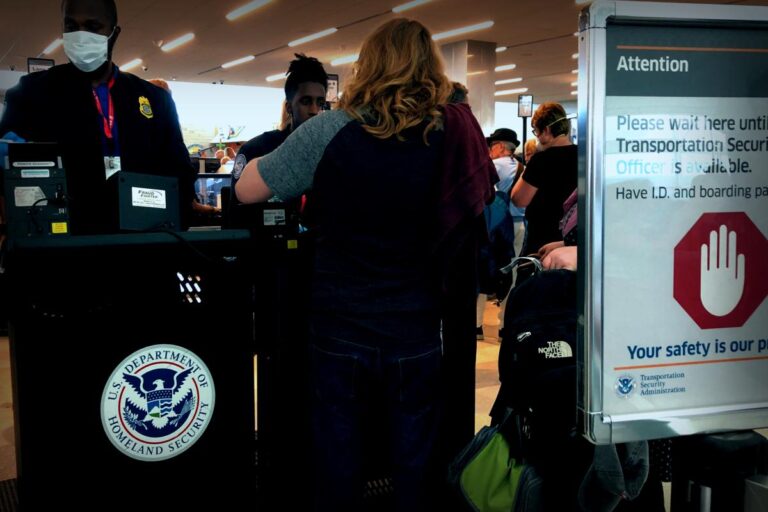

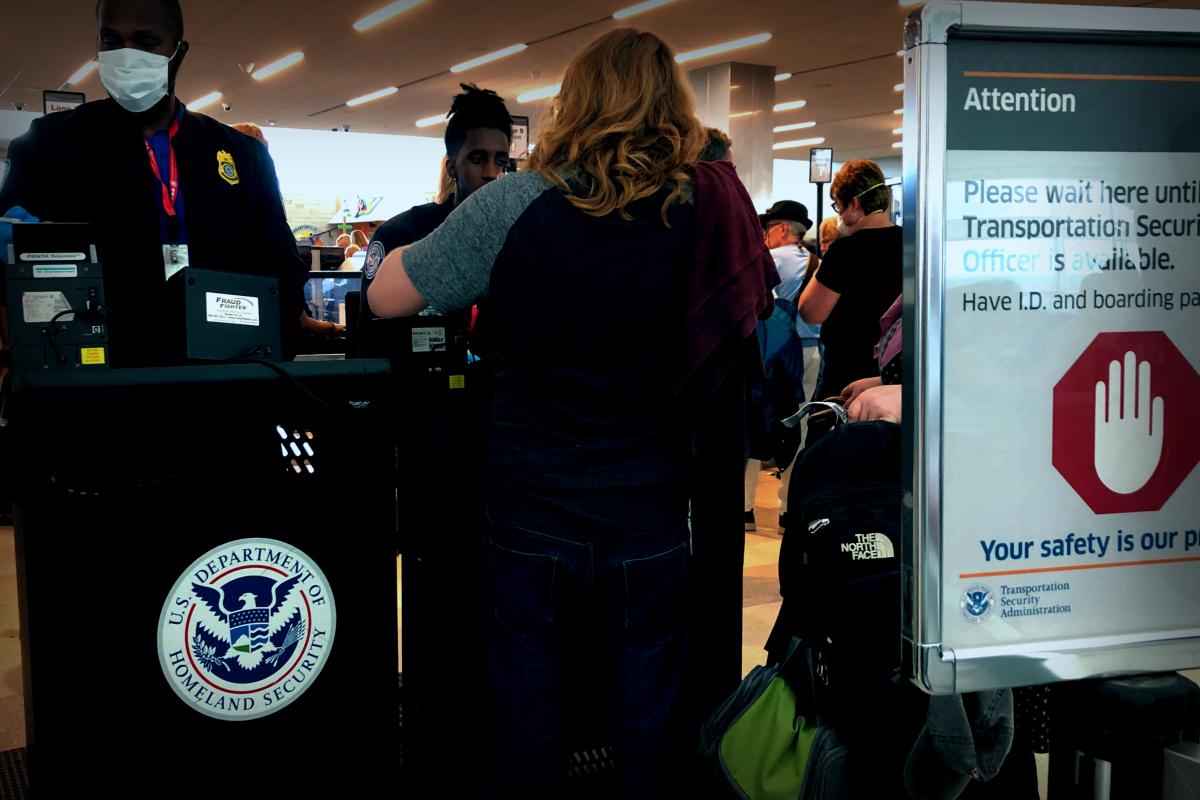
Foreign travelers heading to the United States should prepare for possible changes in border regulations. Recently, U.S. Customs and Border Protection (CBP) revealed plans to enhance identity verification protocols, aiming to add measures that could involve expanded biometric checks and new reporting standards..
According to a proposal featured in the Federal Register by the Department of Homeland Security, the public is being requested to provide feedback on transformative updates related to the Arrival/Departure Record (Form I-94) process and the Electronic System for Travel Authorization (ESTA), which allows Visa Waiver Program residents to enter the U.S.
These changes impact nearly every traveler entering the U.S., amidst rising concerns over personal device inspections conducted at borders. CBP reassured in a statement to USA TODAY that this wasn’t an immediate rule change, but rather the first in a series of discussions focused on safety enhancements for Americans. This initiative aligns with the Executive Order 14161 issued in January 2025, aimed at validating identities through the ESTA system.
Key Changes Proposed by CBP
The CBP is introducing numerous updates, which could include new biometric tracking measures and a shift towards mobile-centric applications instead of web-based ones.
Key highlights of the proposal include:
- A voluntary “self-reported exit” option that lets foreign nationals confirm their exit by submitting passport information, a live selfie, and geolocation data via the CBP mobile app.
- Mandatory selfie requirements for all ESTA applicants, which would apply even to those using third-party services.
- Transition to a mobile-only ESTA application, phasing out the previous web version after documenting misuse against inadequate image quality and various fraudulent third-party sites.
- Expanded data collection, requiring applicants to provide social media handles from the last five years, contact information spanning ten years, IP addresses, and might also include biometric information such as fingerprints or DNA when practical. These additions stem from the recent executive orders aimed at screening against foreign threats.
- Updates pertaining to the Visa Waiver Program, with recent exclusions of Romania and speculations about the addition of more countries in the future.
CBP emphasizes these measures are intended to curtail fraud, enhance identity verification, and streamline visitor tracking processes.
In response to the evolving security landscape, the Department is constantly reevaluating policies, especially following incidents like the Thanksgiving attack on National Guard personnel in Washington D.C., the agency noted.
Implications for Travelers
This proposal highlights a growing trend that immigration lawyers and border analysts previously warned about; entering the U.S. is likely to involve a thorough examination of personal identities, digital presence, and previous travel records.
Earlier reports indicated that certain U.S. residents and visa holders have faced detention or deportation after CBP officers inspected their phones under heightened security protocols. It’s essential to note that such searches, which can probe through photos, videos, and even deleted data, are permissible without a warrant at the border.
As CBP Assistant Commissioner Hilton Beckham asserted, all travelers are subject to inspection when entering the U.S. While such inspections may be infrequent and have stringent regulations, they also serve crucial roles, including detecting terrorism and human trafficking.
Immigration lawyer Susanne Heubel reaffirms that most visitors enter the U.S. smoothly. However, device inspections and more digital screenings are becoming common, especially when there are suspicions regarding a traveler’s activities not aligning with their visa types.
Concerns rise regarding the proposed increased social media assessments, as scrutiny of online activities—including politically-oriented posts—could potentially impact visa approvals. Heubel mentioned that although cautious social media use typically shouldn’t pose issues, delays in visa processing are already observed due to increased application vetting.
Homeland Security deferred to CBP’s earlier statement regarding these matters.
The story continues below.
Increased Focus on Social Media
A standout requirement would involve ESTA applicants disclosing all social media accounts utilized over the last five years. This proposal follows the 2025 mandate aimed at broader scrutiny for possible national security threats.
The goal seems to be verifying whether a traveler’s stated reasons for their visit align with their public digital activity, according to Heubel.
For instance, in March, Rasha Alawieh, a Lebanese doctor and Brown University associate, faced detention at Boston Logan International Airport due to the discovery of her phone’s content linked to Hezbollah, resulting in her deportation.
Do These Changes Impact U.S. Citizens?
No, the proposed measures target predominantly foreign nationals needing I-94 documentation, Visa Waiver Program participants utilizing ESTA, and those relying on the CBP mobile app for self-reporting exit. U.S. citizens remain exempt from these added biometric demands beyond conventional passport requirements.
Preparing for Travel
If you have impending travel plans, experts suggest:
- Before traveling, audit what’s stored on your devices—especially deleted files that might still be recoverable.
- Minimize the number of devices you carry. Since a mobile phone is typically unavoidable, refrain from bringing laptops or USB drives that may attract extra scrutiny.
- Understand the specific activities your visa or green card provides clearance for.
- If an officer must search your device, you may politely assert, “I do not consent, but I’m aware you have the authority to search.”
Ways to Provide Feedback on CBP’s Proposal
Feedback on these proposed adjustments can be submitted until February 9. It’s vital to mention OMB Control Number 1651-0111 when sending comments to CBP_PRA@cbp.dhs.gov.
CBP confirmed all received comments would be publicly recorded as part of the rulemaking proceedings.
This story was recently updated to incorporate fresh insights.
The original article was published by USA TODAY: Major Changes Proposed for US Border Rules: Expect Selfies and Social Media Scrutiny.